If you are asking how much bespoke kitchens cost, you are usually past the stage of collecting inspiration and into the stage where decisions start to matter. Cabinet style, storage design, appliance choices, stone surfaces, installation quality, and even how well the room is planned all affect the final figure.
A bespoke kitchen is not priced in the same way as a standard retail package. It is designed around your room, your storage needs, your cooking habits, and the level of finish you want to achieve. That means the cost can vary significantly, but it also means the result is tailored to the way you actually live.
How much do bespoke kitchens cost?
For most homeowners, a bespoke kitchen project will sit somewhere between £25,000 and £75,000, with larger or more design-led spaces going beyond that. At the lower end of that range, you may be looking at a smaller room, simpler cabinetry details, and a more selective appliance budget. At the upper end, costs often reflect larger layouts, premium materials, specialist storage, luxury appliances, and more involved installation work.
There is a reason the range is broad. A bespoke kitchen is not one product. It is a combination of design service, made-to-measure cabinetry, finishes, hardware, worktops, appliances, lighting, preparation work, and installation. The overall budget depends on how those elements come together.
What affects how much bespoke kitchens cost?
The biggest factor is usually the cabinetry itself. Truly bespoke cabinetry is made to fit the room rather than adjusted to suit standard sizes. That allows for better proportions, improved storage, and a cleaner finish, especially in awkward spaces or period homes. It also takes more design time, more manufacturing care, and more installation precision.
Door style has a noticeable effect on cost. A simple slab or handle-less design can be more economical than an in-frame painted kitchen, which requires more detailed construction and finishing. Shaker styles tend to sit somewhere in between, although the exact price still depends on the level of craftsmanship and paint finish.
Materials also matter. Solid timber details, high-quality painted finishes, veneered interiors, premium drawer boxes, and durable cabinet construction all add value, but they add cost too. These are often the details people do not notice immediately in a showroom photograph, yet they make a real difference to longevity and everyday use.
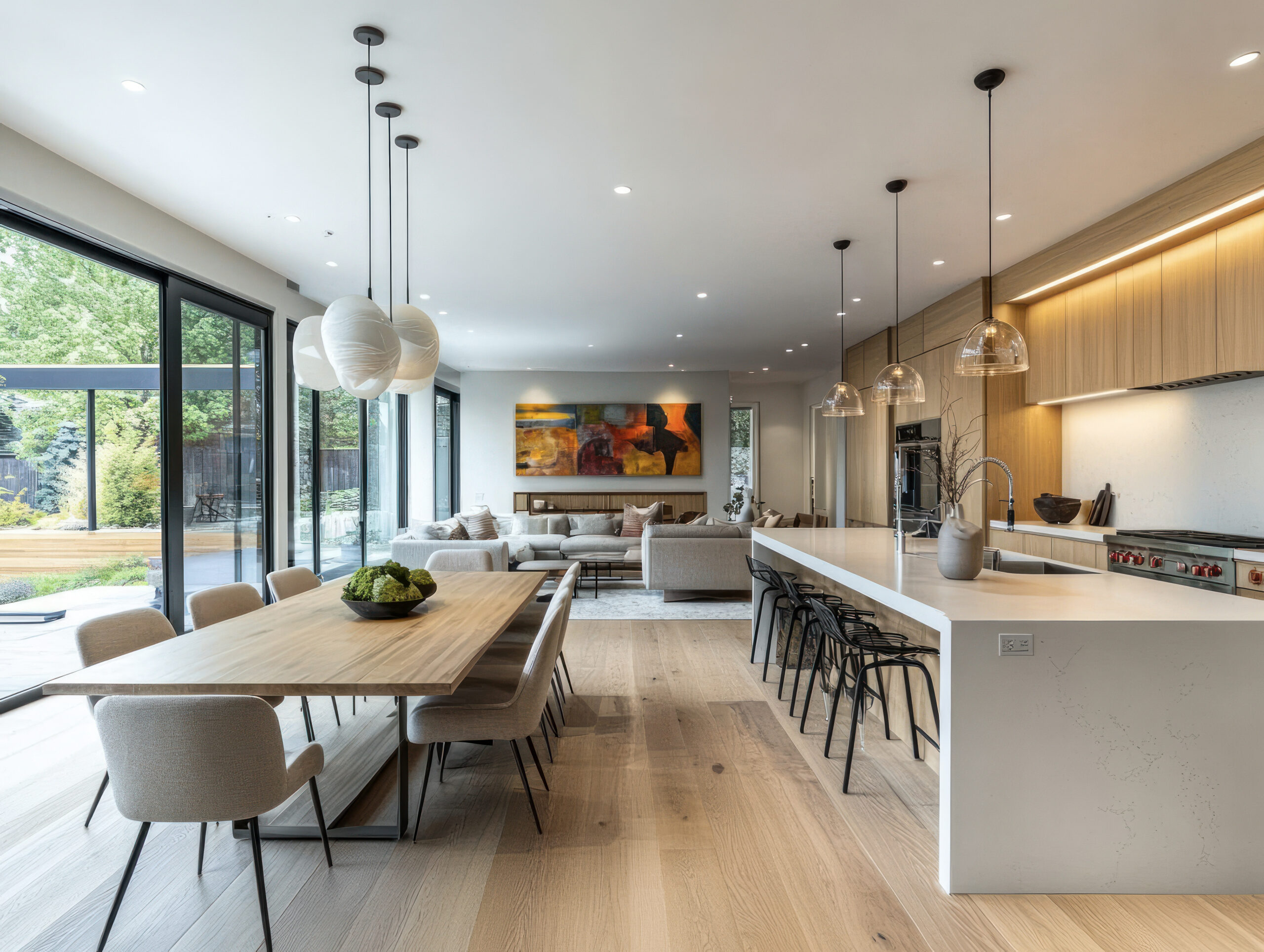
Worktops can shift a budget quickly. Laminate keeps costs lower, while quartz, granite, porcelain, and natural stone move the project upward. An island with waterfall ends, full-height backsplashes, or detailed edge profiles will increase the price further. The same applies to sinks, taps, and boiling water systems, which can range from practical and understated to striking statement pieces.
Appliances are another major variable. One homeowner may choose a reliable mid-market package, while another may invest in integrated refrigeration, specialty ovens, warming drawers, wine storage, and downdraft extraction. Both are bespoke kitchens, but the budgets will look very different.
Design and planning are part of the value
One of the most overlooked parts of a bespoke kitchen is the design process itself. Good design is not simply about making the room look attractive. It is about circulation, prep space, storage planning, appliance placement, lighting positions, and how the kitchen connects with the rest of the home.
A well-designed kitchen often feels calm because everything has been considered in advance. Tall cabinetry is balanced properly. Islands are sized to suit movement around the room. Drawers are placed where they are most useful. Everyday items are stored close to where they are used. That level of planning takes experience, and it is part of what clients are investing in when they choose a bespoke service.
This is also where premium companies stand apart from flat-pack or off-the-shelf suppliers. The service is more personal, the planning is more thoughtful, and the finished room is less likely to feel compromised by standard unit sizes or generic layouts.
Typical budget bands for bespoke kitchens
A smaller bespoke kitchen with quality cabinetry, sensible appliance choices, and a durable stone worktop may begin around £25,000 to £35,000. This kind of budget can deliver a beautiful result, especially if the room layout is relatively straightforward and structural work is limited.
A mid-range bespoke kitchen project often falls between £35,000 and £55,000. This is where many homeowners land when they want tailored cabinetry, a strong appliance package, quartz or similar premium worktops, thoughtful storage features, and a polished finish throughout. For family homes, this tends to be the point where style and practicality come together most comfortably.
Above £55,000, projects are usually shaped by larger rooms, more ambitious layouts, elevated material choices, and higher-spec appliances. You may be adding a substantial island, a walk-in pantry, custom internal fittings, statement lighting, or furniture-style detailing. This is also common in open-plan spaces where the kitchen needs to work hard visually as well as practically.
If building work, plumbing relocation, rewiring, flooring, decorating, or structural changes are required, those costs should be treated separately unless they are included within a full project proposal. Homeowners are sometimes surprised by this, because the kitchen itself may be only one part of the overall renovation spend.
Why bespoke costs more than standard kitchens
Bespoke kitchens cost more because they are solving a different problem. A standard kitchen is built around a set product range. A bespoke kitchen is built around your home and your requirements.
That difference shows up in several ways. You get more flexibility on sizes, better use of difficult spaces, a wider choice of finishes, and a design that can reflect the style of the property rather than forcing the property to adapt to the furniture. In practical terms, that can mean deeper drawers where they are useful, tailored pantry storage, cleaner lines around architectural features, and a more considered balance of open and closed storage.
There is also a difference in project experience. Homeowners investing in bespoke interiors usually want confidence as much as they want cabinetry. They want clear guidance, dependable installation, and a single team who can take responsibility for the details. That service-led approach is part of the price, and for many clients, part of the appeal.
Where to spend and where to be sensible
Not every part of a bespoke kitchen needs to be the most expensive option. In many projects, the smartest approach is to invest in the elements that affect daily use and long-term durability, then be more selective elsewhere.
Cabinet construction, drawer hardware, storage planning, and installation quality are worth prioritizing because they influence how the kitchen performs year after year. Worktops are another area where quality tends to pay off, especially in busy family kitchens.
Appliances require a more personal decision. If you cook often, entertain regularly, or want specialist features, this may be the right place to stretch the budget. If not, you may prefer to keep appliance choices more measured and direct the spend toward cabinetry and finishes that define the room every day.
The same applies to visual detail. Feature glass cabinets, decorative end panels, timber internals, and statement metal finishes can look exceptional, but they should support the overall design rather than inflate the budget without improving how the space works.
Getting realistic quotes for a bespoke kitchen
The most reliable quotes come from a proper design conversation, not from broad online estimates. Room size is only one piece of the picture. Layout complexity, finish level, appliance preferences, and installation requirements all need to be discussed before a meaningful budget can be set.
A good kitchen company will help you understand what is driving the cost and where adjustments can be made without losing the overall feel of the design. That guidance is especially useful if you are trying to strike the right balance between aspirational ideas and practical investment.
At Home Interiors by Anscombs, this is where a tailored design consultation becomes valuable. Instead of trying to force your plans into a preset package, the aim is to build a kitchen around your home, your storage needs, and the way you want the space to feel and function.
Is a bespoke kitchen worth the cost?
For homeowners planning to stay in their property and wanting a kitchen that feels considered, durable, and genuinely personal, the answer is often yes. The value is not only in appearance. It is in how well the room uses space, how comfortably it works day to day, and how confidently the whole project is delivered.
That said, bespoke is not always the right route for every budget or every property. If the goal is a short-term cosmetic update, a standard kitchen may be enough. But if you want a long-term interior improvement that is tailored to your lifestyle and finished to a higher standard, bespoke usually offers a very different result.
The best starting point is not asking for the cheapest number. It is asking what level of design, craftsmanship, and service will give you a kitchen you still feel good about years from now.