A spare room with awkward corners, a primary bedroom with too little storage, a kitchen that never quite works for family life – these are the details buyers notice and homeowners live with every day. So, can bespoke furniture add value? In many cases, yes, but the real answer depends on where it is used, how well it is designed, and whether it improves the way a home functions as well as how it looks.
Bespoke furniture tends to add the most value when it feels like a natural part of the property rather than an afterthought. Fitted wardrobes that make full use of alcoves, a home office designed around the exact dimensions of the room, or a kitchen planned for better flow and storage can all make a home more attractive. Buyers and homeowners alike respond to spaces that feel organized, well finished, and easy to live in.
When can bespoke furniture add value?
The strongest value usually comes from fitted pieces that solve a clear problem. In homes where space is limited or layouts are unusual, off-the-shelf furniture often leaves gaps, wasted corners, and compromised storage. Bespoke fitted interiors are designed around the room itself, which means every inch can work harder.
That has a direct effect on daily living. A dressing room that keeps everything in order, a media wall that hides cables and clutter, or a boot room that contains coats, shoes, and school bags all improve usability. Practical improvements like these may not always show up as a simple investment return, but they do shape how people feel about a home. A property that feels calm, efficient, and beautifully considered often stands apart from similar homes on the market.
There is also a difference between furniture that is simply custom-made and furniture that is integrated into the architecture of the room. Freestanding bespoke pieces can be valuable in their own right, especially if they are crafted to a high standard, but fitted interiors often have the clearest effect on perceived property value because they become part of the home experience.
The rooms where bespoke furniture matters most
Not every room carries the same weight. Kitchens, bedrooms, dressing areas, and home offices are usually where bespoke design has the greatest impact because these spaces combine storage, layout, and day-to-day use.
Kitchens
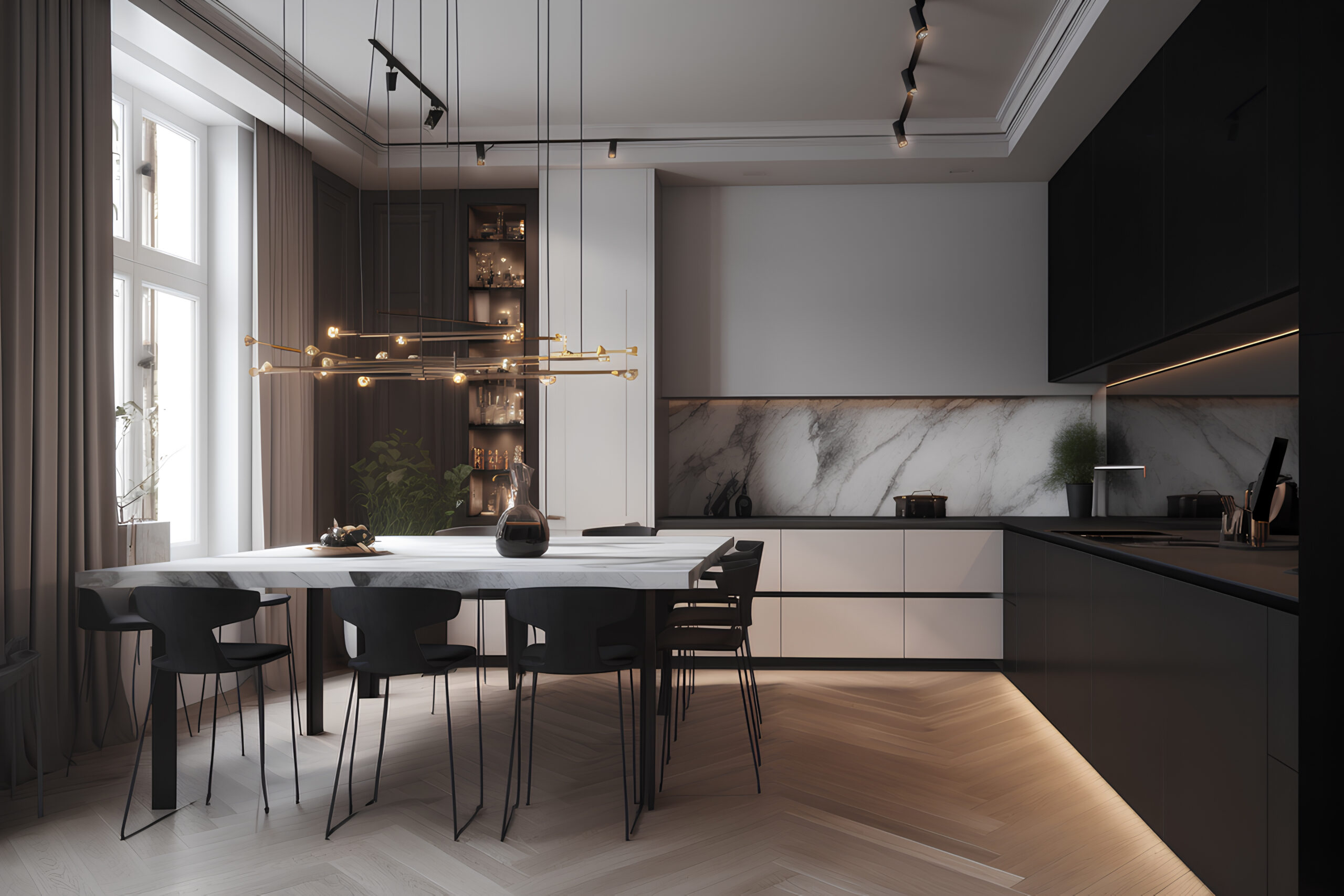
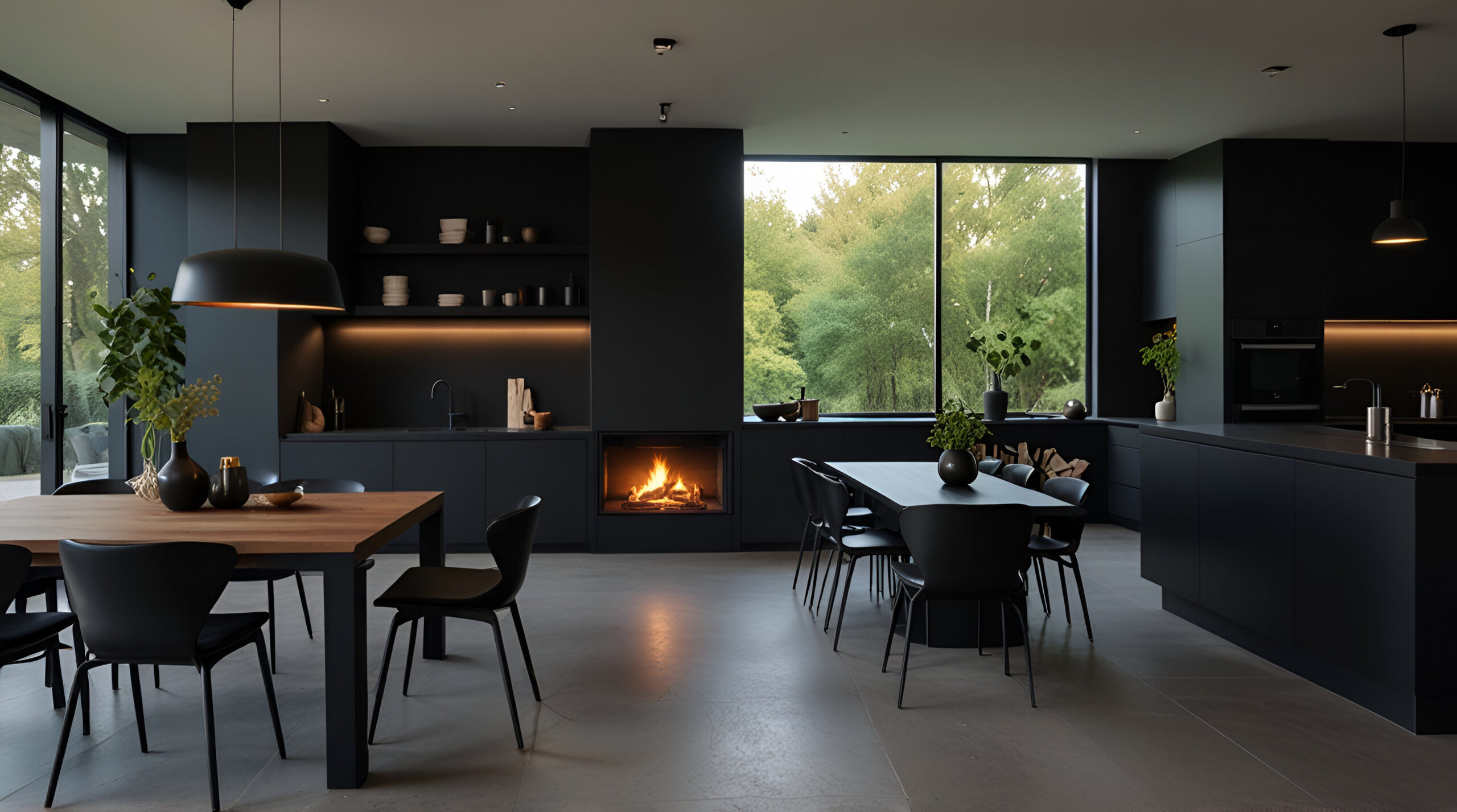
A well-designed kitchen is one of the most persuasive investments in any home. Buyers pay attention to cabinet quality, storage capacity, workflow, and finish. Bespoke kitchen furniture can improve all of these at once. It can make room for deep drawers where they are actually needed, create a cleaner visual line, and adapt cabinetry to unusual walls, ceiling heights, or structural details.
That said, value comes from balanced design, not excess. A kitchen packed with expensive features that do not suit the style or value level of the home may not deliver the return an owner expects. The best results come when the kitchen feels timeless, highly functional, and proportionate to the property.
Bedrooms and dressing rooms
Fitted bedroom furniture often offers a quieter but very meaningful return. People notice when a bedroom feels spacious, even if the room itself is not large. Built-in wardrobes, tailored drawer storage, and integrated dressing areas reduce clutter and help the room feel more refined.
In the main bedroom especially, bespoke storage can elevate the sense of luxury. It creates the feeling that the home has been properly planned rather than simply furnished. For family homes, it also solves a practical issue: where everything goes. That matters more than many owners realize.
Home offices and multifunctional spaces
Since more people now work, study, or manage household life from home, a thoughtfully fitted office can be a real selling point. A bespoke desk wall, hidden filing, integrated shelving, and well-planned lighting all help a room perform better. The same applies to multifunctional spaces such as guest rooms with built-in storage or living areas that include media units and display cabinetry.
These spaces add value when they make the room more flexible, not more restricted. Good bespoke design should support how people live now while still appealing to future buyers.
Why buyers respond to fitted interiors
People do not just buy square footage. They buy ease, comfort, and the sense that a home has been cared for properly. Bespoke interiors often signal quality because they show a level of attention that mass-market solutions rarely achieve.
There is a psychological side to this. When storage is built exactly where it is needed, when finishes feel coordinated, and when a room looks complete, the whole property can feel more expensive and more settled. Buyers may not describe it in technical terms, but they notice the difference.
This is especially true in competitive markets where many homes may be similar in size or location. A property with fitted interiors that make life easier can leave a stronger impression than one with newer but more generic updates. Value, in that sense, is not only about appraisals. It is also about marketability and desirability.
What actually makes bespoke furniture worth the investment?
Quality design is only part of the picture. For bespoke furniture to add real value, it needs to be well made, properly installed, and suitable for the property.
Materials matter. Durable cabinetry, strong hardware, and finishes that age gracefully help fitted furniture maintain its appeal over time. Proportions matter too. Furniture that is too bulky, overdesigned, or too specific in style can narrow its appeal.
Installation is equally important. Even excellent design can lose value if the fitting is poor, the alignment is off, or the final result looks pieced together. That is one reason many homeowners prefer a single company to handle design, planning, manufacturing coordination, and installation. Consistency usually shows in the finished result.
At Home Interiors by Anscombs, that joined-up approach is central to creating interiors that are not only attractive on day one, but also practical and lasting in the years ahead.
When bespoke furniture may not add as much value
There are trade-offs, and it helps to be realistic. Bespoke furniture does not automatically guarantee a high resale return just because it costs more upfront. If the design is highly personal, very trend-led, or out of step with the rest of the home, its value may be more limited.
A bold finish, unusual layout choice, or niche room feature might perfectly suit one household but fail to resonate with the next. The same is true if bespoke work is added in a home where more fundamental improvements are still needed. Buyers may appreciate fitted furniture, but not if the basics such as flooring, lighting, or general condition feel neglected.
Budget alignment matters too. In a modest property, an extremely high-end installation may improve enjoyment and appearance, but the financial return might not fully match the spend. That does not mean it is the wrong choice. It simply means value should be measured in both lifestyle benefit and resale potential.
How to make bespoke interiors more valuable
If you are investing with one eye on future value, the safest approach is to focus on practicality, longevity, and broad appeal. Clean lines, thoughtful storage, and quality materials tend to perform better than short-lived trends. Neutral palettes often age more gracefully, especially in larger fitted schemes.
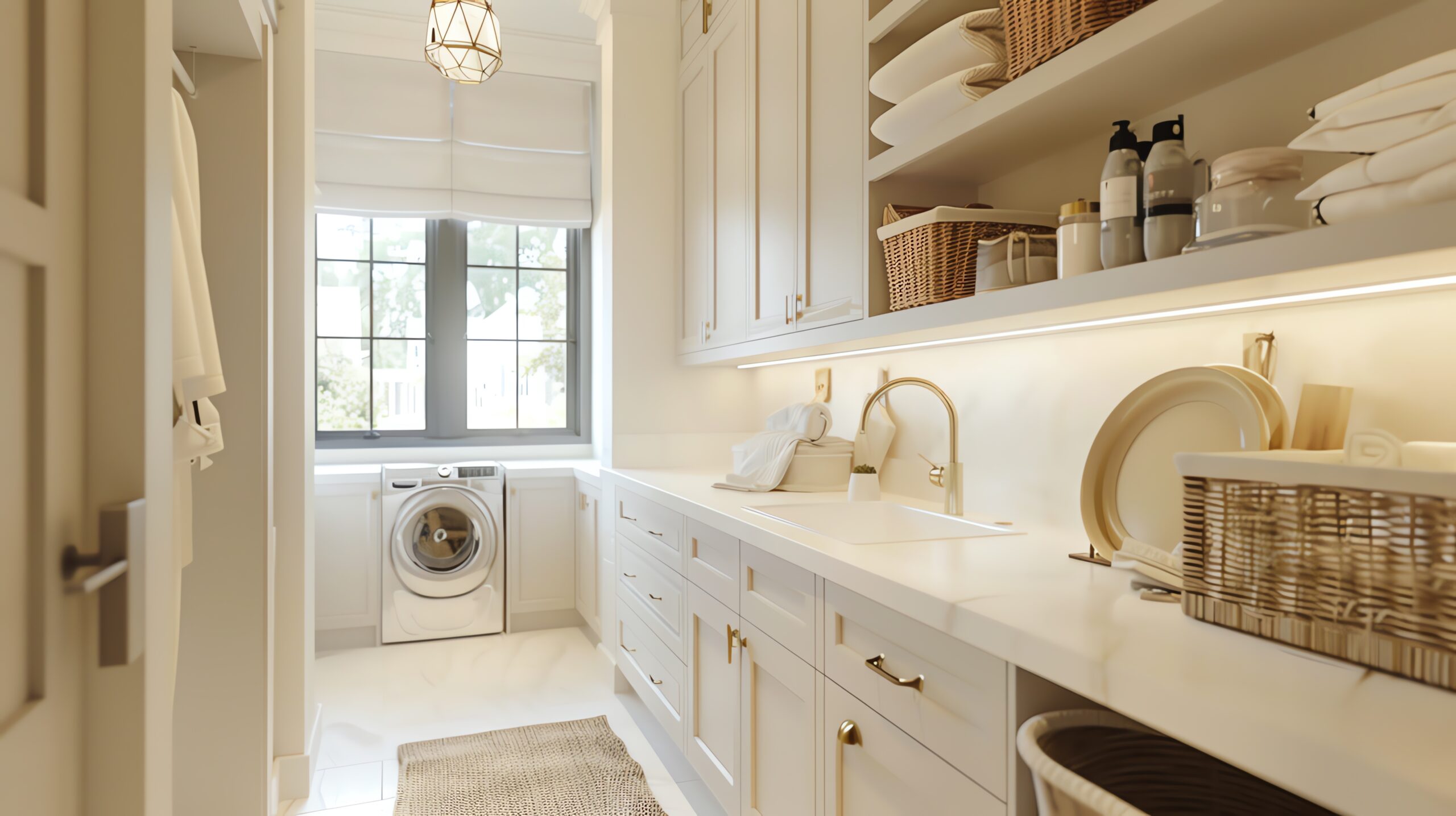
It also helps to design around real household needs. A pantry that improves kitchen function, a utility room that keeps mess out of sight, or fitted wardrobes that genuinely increase usable storage are all easier for future buyers to appreciate. When bespoke furniture solves familiar problems, its value is easier to recognize.
Professional planning makes a noticeable difference here. The most successful interiors are rarely just about cabinetry. They take account of circulation space, natural light, door swings, daily routines, and how one zone connects to the next. That is where bespoke work can justify its premium.
So, can bespoke furniture add value in the long run?
Yes, especially when it improves layout, storage, and overall finish in the rooms that matter most. The clearest gains tend to come from fitted kitchens, bedrooms, dressing rooms, and home offices that feel tailored to the property and easy to live with. While it may not always produce a simple financial return equal to the initial investment, it can increase buyer appeal, strengthen first impressions, and raise the standard of the home as a whole.
The best bespoke interiors do more than fill a space. They make the home work better, look more complete, and feel more considered from one room to the next. If that is done well, value often follows naturally.